
The short version
- Soft wash solutions are commonly based on sodium hypochlorite, the active ingredient in household bleach, diluted with water and mixed with a surfactant.
- The solution can burn leaves it lands on, so plants are watered first, kept wet and rinsed after.
- Pets stay inside until everything is rinsed and dry.
- Wash water should stay out of storm drains.
What soft washing is
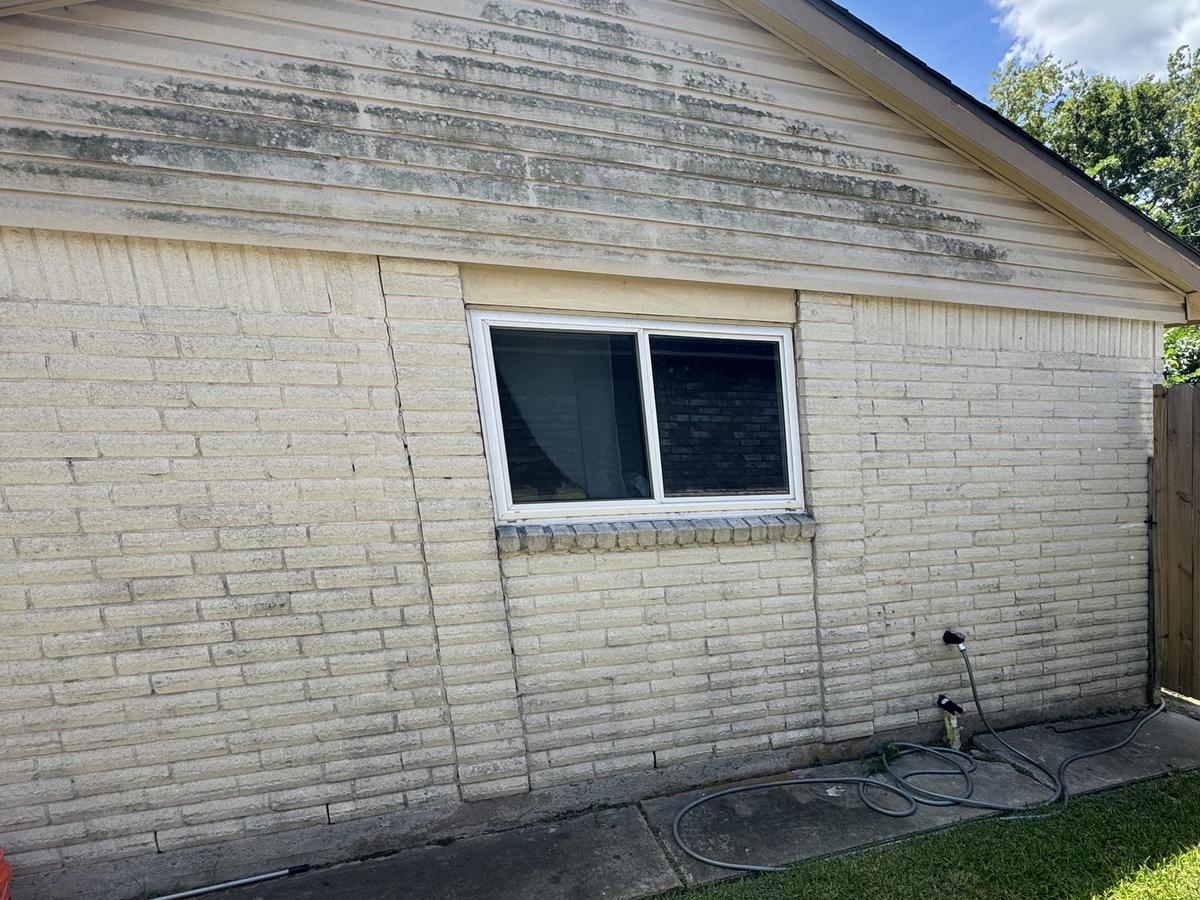
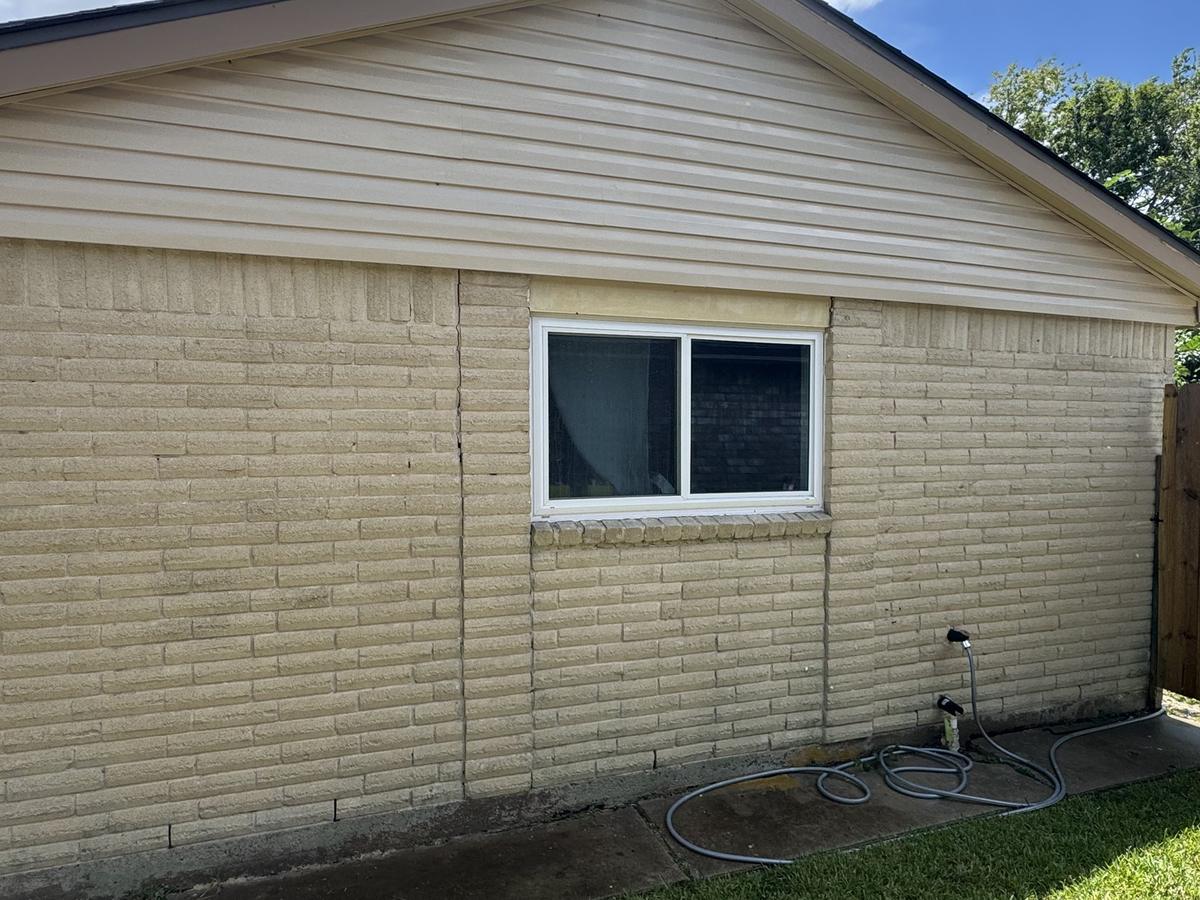
A soft wash applies a cleaning solution at low pressure, gives it time to work on the dirt, mildew and algae, then rinses it off gently. It's the method shingle makers describe for roofs (ARMA) and the safer choice for siding and painted surfaces. For the basics, see soft wash vs pressure wash.
Some systems, like the X-Jet nozzle, draw the solution from a bucket at the nozzle itself, so it never passes through the pressure washer's pump (X-Jet).
What's in the mix
- Sodium hypochlorite. This is the active ingredient in household bleach. ARMA's roof guidance and Georgia-Pacific's vinyl siding mildew-cleaning directions both use it (ARMA, Georgia-Pacific).
- Water. The solution is diluted; how much depends on the surface and the product's directions.
- Surfactant. A soap that helps the solution spread and cling to the surface instead of running straight off.
Why no recipe here? Strength matters, and more is not better. Georgia-Pacific warns that going over its recommended concentrations can damage the siding's surface (Georgia-Pacific), and ARMA notes that mixing directions vary among shingle makers (ARMA). Follow the product label and the surface manufacturer's directions.
Why the label (and the wording) matters
Under the federal pesticide law, FIFRA, a product that claims to kill or control mold, mildew or algae is a pesticide. It must be registered with the EPA and used according to its label. The EPA treats a claim that a product cleans or removes stains from algae, mold or mildew differently (EPA). The EPA's own summary of pesticide labels is short: "the label is the law" (EPA).
That's why you'll see careful wording on this site. Soft washing cleans mildew, algae and dirt off your house. If any company advertises that its mix "kills" or "disinfects," it's fair to ask which EPA-registered product it uses.
Protecting plants
Diluted bleach can burn the leaves it lands on. An extension expert explains that leaves sprayed with bleach can turn white and die quickly, and recommends rinsing affected plants right away with clear water and drenching the soil to dilute anything that reached it (Ask Extension). The good news: when damage is limited to some leaves, plants usually recover by putting out new growth (Ask Extension).
A soft wash supplier's plant-protection guide describes the usual steps: soak plants before cleaning, keep them wet while working and rinse them again afterward (JRacenstein).
If you grow vegetables or herbs near the house, point them out before any cleaning starts. They may need covering or extra distance.
Protecting pets and kids
The ASPCA notes that swallowing undiluted bleach can injure a pet's mouth and esophagus, while diluted bleach can be used safely to clean pet toys and kennels as long as it's diluted, thoroughly rinsed and allowed to dry (ASPCA). The same idea applies outdoors: keep pets and kids inside during the wash, and let them back out once surfaces are rinsed and dry.
If a pet is exposed: rinse the area with water and call your veterinarian or ASPCA Animal Poison Control at (888) 426-4435.
Paint, cars and outdoor furniture
James Hardie's cleaning bulletin says not to let cleaning solution dry on the siding; keep rinsing until it's gone (James Hardie). The same habit protects everything nearby. Move cars and furniture away from the walls being washed, and rinse windows, walkways and anything that catches overspray.
Where the wash water goes
Storm drains are not a sewer to a treatment plant. The City of Pasadena explains that rainwater falling on streets goes into storm drains and directly to waterways and Galveston Bay without treatment (City of Pasadena). Wash water with cleaning solution in it shouldn't be sent down the curb.
People need protecting too. ARMA advises normal precautions for handling bleach, including eye protection and rubber gloves (ARMA). Follow every warning on the product label.
Questions to ask any company (including us)
- What's in your solution, and how strong is it for my surface?
- How will you protect my plants, and what happens if one gets splashed?
- When can my pets go back outside?
- Where will the wash water go?
At ACE, siding and roofs get a low-pressure soft wash using an X-Jet soft wash system. Ask us any of the questions above before we start.
Quick answers
Is soft washing safe for plants?
It can be done with low risk, but the solution can burn leaves it lands on. Extension experts advise rinsing affected plants right away with clear water, and plants with limited leaf damage usually put out new growth. Soaking plants first, keeping them wet and rinsing afterward all reduce the risk.
Is soft washing safe for pets?
Keep pets inside until surfaces are rinsed and dry. The ASPCA notes that undiluted bleach can injure a pet's mouth and esophagus, while diluted bleach is used safely around kennels when it's thoroughly rinsed and dried. If a pet is exposed, call your vet or ASPCA Animal Poison Control at (888) 426-4435.
What chemicals are used in soft washing?
Soft wash solutions are commonly based on sodium hypochlorite, the active ingredient in household bleach, diluted with water and mixed with a surfactant that helps it cling. The exact strength depends on the surface and the product label.
Why won't some companies say their mix kills mold?
Under federal law, a product that claims to kill or control mold, mildew or algae is a pesticide and must be EPA-registered and used according to its label. Cleaning and removing stains is a different claim, so careful companies choose their words.
Where does the wash water go?
It shouldn't go down the storm drain. In Pasadena, for example, storm drains carry water untreated to local waterways and Galveston Bay. Ask any company how they keep wash water out of the street.
Sources
- Algae Discoloration of Roofs, Asphalt Roofing Manufacturers Association (ARMA). https://www.asphaltroofing.org/algae-discoloration-of-roofs/
- Care and Maintenance, Georgia-Pacific Vinyl Siding. https://www.gpvinylsiding.com/support/care-and-maintenance/
- The X-Jet M5, X-Jet. https://xjetnozzle.com/the-x-jet-m5/
- Determining If a Cleaning Product Is a Pesticide Under FIFRA, U.S. Environmental Protection Agency. https://www.epa.gov/pesticide-registration/determining-if-cleaning-product-pesticide-under-fifra
- Introduction to Pesticide Labels, U.S. Environmental Protection Agency. https://www.epa.gov/pesticide-labels/introduction-pesticide-labels
- Bleach Plant Damage (expert response), Ask Extension. https://ask.extension.org/kb/faq.php?id=802454
- Effect of diluted bleach on new plants (expert response), Ask Extension. https://ask.extension.org/kb/faq.php?id=863065
- How to Protect Plants When Soft Washing, JRacenstein. https://jracenstein.com/expert-advice-learning/how-to-protect-plants-when-soft-washing
- Poisonous Household Products, ASPCA. https://www.aspca.org/pet-care/aspca-poison-control/poisonous-household-products
- Siding Cleaning and Maintenance (Technical Bulletin), James Hardie. https://assets.ctfassets.net/dzi2asncd44t/1mcW7pxuTmKq1nWLOgTRbW/40f30c33fe5a8f9b9ea5ffdbffae86ae/20-james-hardie-siding-cleaning-and-maintenance.pdf
- MS4 Permit, City of Pasadena, Texas. https://pasadenatx.gov/296/MS4-Permit
Links checked October 19, 2026. This page is general information, not a substitute for your manufacturer's instructions or a product label.