
The short version
- Heat is for grease and oil. Pressure washer maker Mi-T-M says hot water is "a must" when surfaces have grease or oil on them.
- Cold water handles most home exteriors: dirt, mud and grime, and siding and roofs, where a soft wash solution does the cleaning.
- ACE runs cold water. We'll tell you up front if a stain is the kind that heat would help with.
What heat actually adds
Think about washing greasy hands. Mi-T-M uses exactly that comparison: you wouldn't wash greasy hands with cold water, and the same applies to pressure washing. It says that for surfaces with grease or oil on them, hot water is a must (Mi-T-M). Mi-T-M describes its hot water machines as ideal for cleaning and dissolving oil and grease (Mi-T-M).
They're often used in the sanitation and food and beverage industries, and for cleaning big equipment.
Heat also helps with some masonry cleaning. The Brick Industry Association notes that hot water, around 120°F, can make water cleaning of brick more effective, and also points out that some pressure washing equipment can't provide hot water at all (BIA).
What cold water handles well
Mi-T-M says cold water pressure washers are ideal for removing dirt on most any surface, and recommends a cold-water machine for homeowners cleaning siding, decks, patio furniture and similar jobs. Its cold-water machines handle dirt, grime and mud on driveways and many other surfaces (Mi-T-M, Mi-T-M).
On siding and roofs, heat isn't what does the cleaning. A soft wash relies on a cleaning solution, time and a gentle rinse. Mi-T-M notes that most contractors use cleaning chemicals to do the cleaning, so their job is mainly rinsing (Mi-T-M). See soft wash vs pressure wash.
The honest part: oil stains on driveways
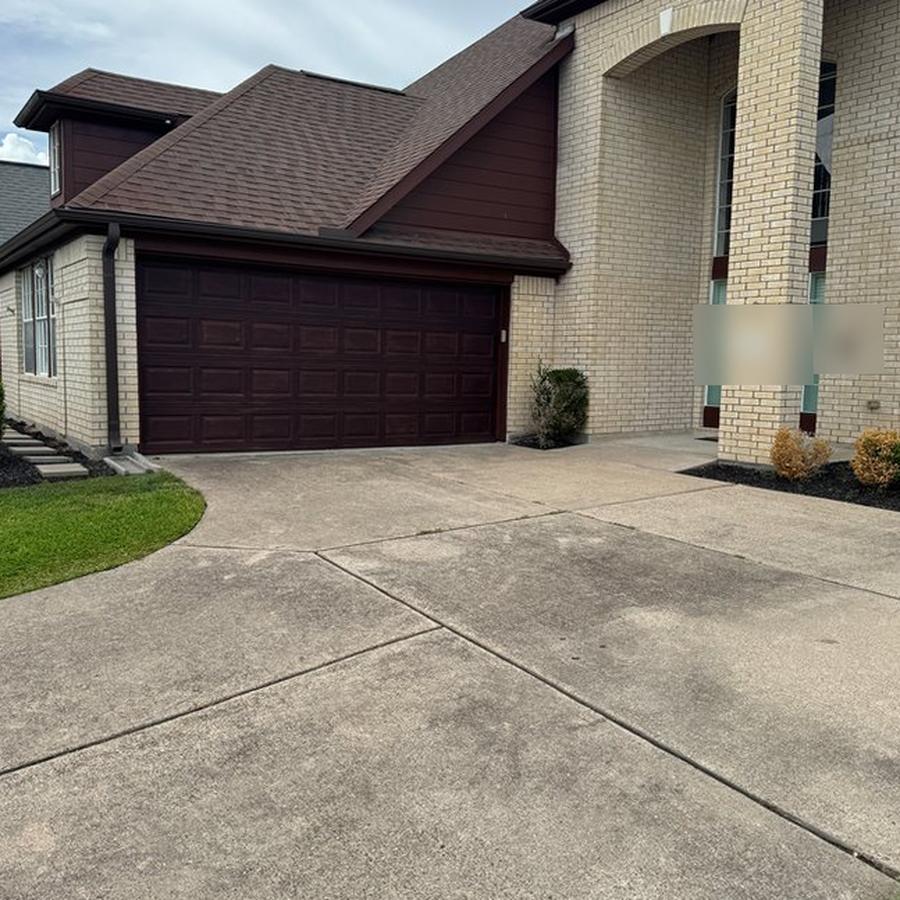
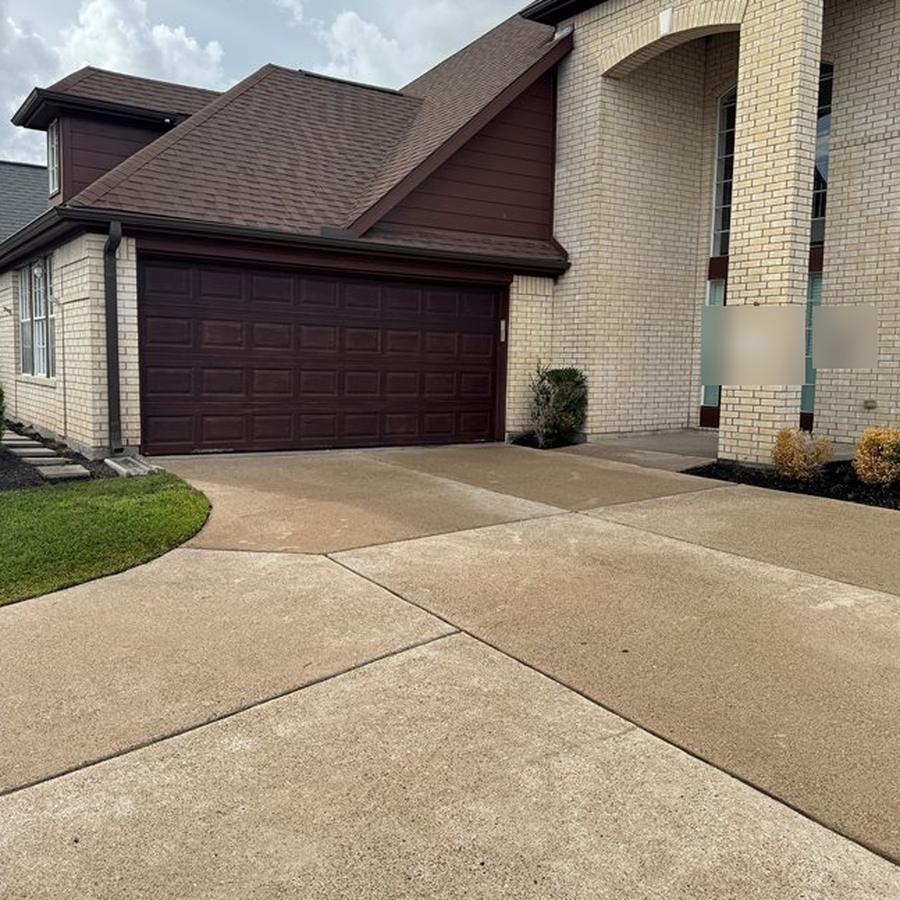
Old oil stains are the one place on a typical home where heat can matter. Concrete is porous, so oil soaks in rather than sitting on top. For stains that have soaked in, the concrete masonry trade group CMHA describes a poultice, a paste that draws the stain out of the pores, and it can take more than one round (CMHA). A degreaser helps too; surfactants are what loosen and hold oily soil so it can be rinsed off (ACI).
Fresh drips respond best. A stain that's been soaking in for years may lighten rather than disappear, with or without hot water. More in rust, oil and red clay stains on concrete.
Cost and trade-offs
Hot water machines are a bigger investment. Mi-T-M notes that cold water machines are lower maintenance, easier to operate and generally cost less, and that a hot water machine can also run as a cold one with the burner off (Mi-T-M).
What ACE uses
ACE runs a 3,000 PSI, 5.5 GPM cold-water pressure washer, with a surface cleaner for concrete and an X-Jet soft wash setup for siding and roofs. We don't offer hot-water washing. Degreasing oil stains is an add-on; just ask when you request your quote. If your driveway has heavy, old oil stains, we'll tell you honestly what to expect before we start.
Quick answers
Is hot water pressure washing better?
For grease and oil, yes. Pressure washer maker Mi-T-M says hot water is a must for surfaces with grease or oil. For dirt, mud and grime on most surfaces, and for siding and roofs cleaned with a soft wash, cold water does the job.
Do I need hot water to clean my driveway?
Usually not for general dirt and grime. Heat helps most with oil and grease. Old oil stains that have soaked into concrete can be stubborn either way and may lighten rather than disappear.
Does ACE use hot water?
No. ACE runs a 3,000 PSI, 5.5 GPM cold-water pressure washer with a surface cleaner for concrete and an X-Jet soft wash setup for siding and roofs. If a stain is the kind heat would help with, we'll say so up front.
Does hot water help with mildew on siding?
Mildew and algae on siding and roofs are cleaned with a soft wash: a cleaning solution, time to work and a gentle rinse. Heat isn't what does that cleaning.
Sources
- Pressure Washer FAQ: PSI vs GPM, hot vs cold water, rotary surface cleaners, Mi-T-M Corporation. https://www.mitm.com/consumer/pressure-washers/
- Hot Water Pressure Washer vs. Cold Water: Which is Right for You?, Mi-T-M Corporation. https://www.mitm.com/blog/hot-water-pressure-washer-vs-cold/
- Technical Note 20: Cleaning Brickwork, Brick Industry Association. https://www.gobrick.com/media/file/20-cleaning-brickwork.pdf
- Removal of Stains From Concrete Masonry (TEK 08-02A), Concrete Masonry & Hardscapes Association. https://www.cmha.org/resource/tek-08-02a/
- Soaps & Detergents, American Cleaning Institute. https://www.cleaninginstitute.org/sites/default/files/assets/1/AssetManager/SoapsandDetergentsBook.pdf
Links checked October 19, 2026. This page is general information, not a substitute for your manufacturer's instructions or a product label.